

Manual Lymphatic Drainage - Wellness
Manual Lymphatic Drainage (MLD) is a gentle, non-invasive treatment designed to support the natural function of your lymphatic system. Using light, rhythmic and pain-free techniques, MLD works with the body’s lymphatic pathways to encourage the movement of lymphatic fluid and support healthy fluid balance within the tissues.
The lymphatic system plays an important role in immune function and in transporting excess fluid, cellular waste and other substances through the body. MLD uses specialised techniques based on the anatomy and physiology of the lymphatic system to encourage lymphatic flow.
How can MLD support your wellbeing?
MLD is a deeply relaxing treatment and may be beneficial as part of your general wellbeing and self-care routine. It may help support:
-
A feeling of relaxation and overall wellbeing
-
Feeling of overall sluggish, heavy body
-
Swelling, oedema and non-infectious inflammation
-
Venous insufficiency
-
Bruising and tissue congestion
-
Recovery following illness, colds & Flu, once the acute stage has passed
-
Skin appearance and tissue health
-
Chronic sinusitis and migraine
-
People recuperating from a chronic illness. Our clients report the treatment to be very relaxing and soothing.
-
Clearer looking skin and improved skin tone
-
Support general detox
Please note: MLD is not recommended during the acute stage of an illness, such as when you have a fever or active infection, as treatment may not be appropriate at this time.
If you are unsure whether MLD is suitable for you, please get in touch to discuss your individual circumstances.

Lymphoedema Management
Lymphoedema is a type of swelling caused by the accumulation of protein-rich lymphatic fluid within the tissues as a result of a compromised or under-functioning lymphatic system.
Lymphoedema can develop for a number of reasons and is generally classified as either primary or secondary.
Primary Lymphoedema
Primary lymphoedema results from an underlying difference or developmental disorder of the lymphatic system. It may be present from birth or develop later in life, sometimes becoming noticeable during periods of hormonal change or increased physical demand on the lymphatic system.
Secondary Lymphoedema
Secondary lymphoedema develops when the lymphatic system has been damaged or disrupted. One of the most common causes is cancer treatment involving the removal or irradiation of lymph nodes. It can also occur following surgery, trauma or other conditions affecting the lymphatic system.
Lymphoedema most commonly affects the arms or legs, but it can also involve the trunk, chest, neck or head.
In addition to swelling, lymphoedema may cause feelings of heaviness or discomfort, reduced mobility, and changes to the skin and underlying tissues. As it can be a long-term condition, appropriate management and early intervention can play an important role in maintaining function and quality of life.
Initial lymphoedema consultation (90 minutes)
If you think you may have lymphoedema, or you are at increased risk of developing lymphoedema - for example, following cancer surgery involving lymph node removal or radiation - an initial consultation can provide an opportunity to assess your individual needs and discuss appropriate management strategies.
Your 90-minute initial consultation includes:
-
A thorough consultation and discussion of your symptoms, concerns and goals
-
Assessment and measurements of the affected area(s)
-
Manual Lymphatic Drainage (MLD) treatment
-
Education and advice on self-care and symptom management
-
Guidance regarding compression garments, where appropriate
-
Advice on strategies to help manage your lymphoedema and reduce the risk of progression
-
Discussion of your ongoing treatment and management options
Following your consultation, I will develop a personalised treatment and management plan based on your individual needs and goals.
You will also receive relevant information, resources and advice to support you between appointments. Where appropriate, I can provide referrals or recommend additional resources to complement your care.
All consultation, assessment and treatment-planning support is included in the initial consultation fee - there are no additional charges for these services.
If you are concerned about swelling or think you may be at risk of developing lymphoedema, please get in touch to arrange an initial consultation. Early assessment and appropriate management can make an important difference in understanding and managing your lymphatic health.


Lipoedema Management
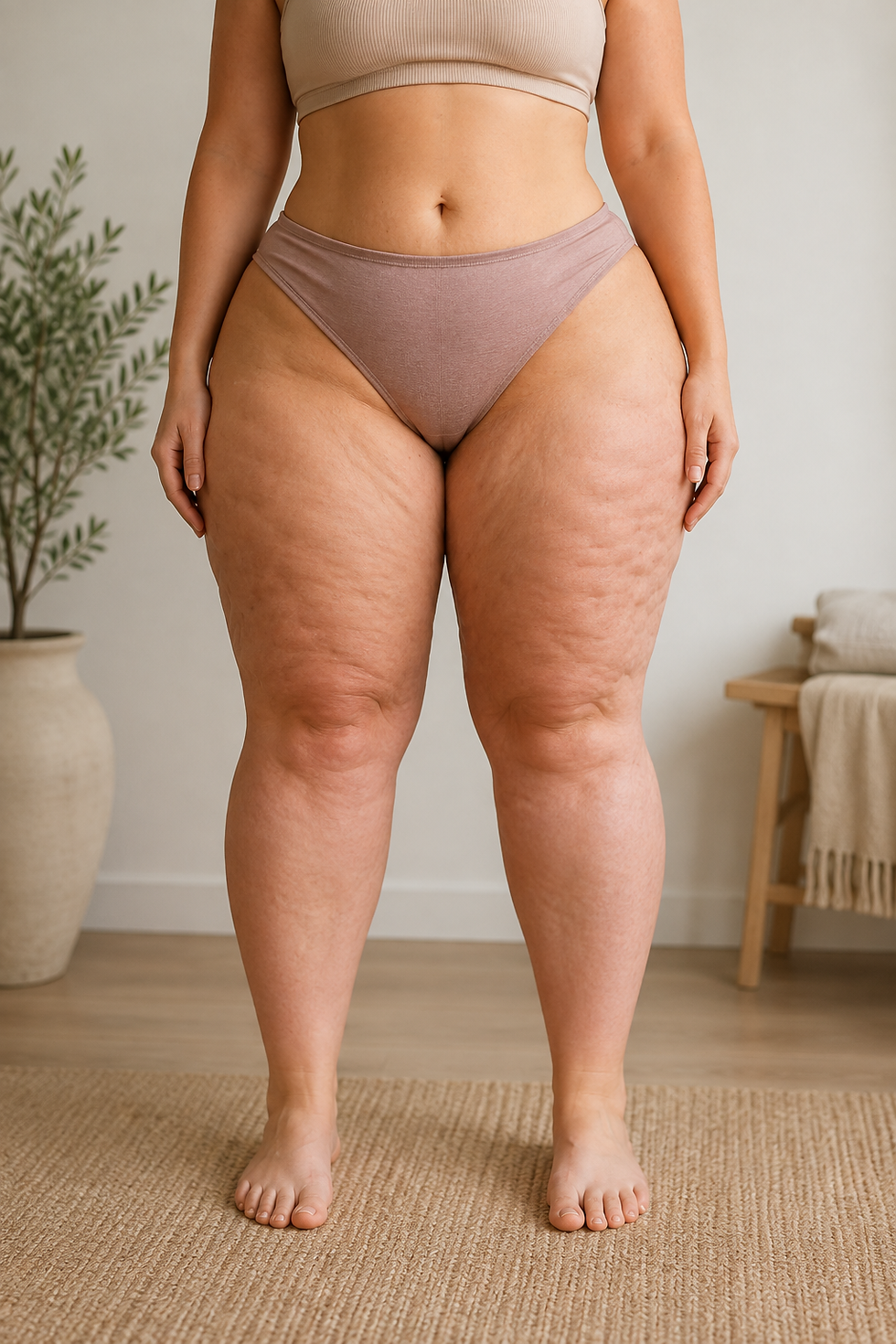
Lipoedema (also spelled lipedema) is a chronic condition involving the abnormal distribution and accumulation of fatty tissue, and a connective tissue disorder, most commonly affecting women. It primarily affects the legs and can sometimes affect the arms, often creating a noticeable disproportion between the upper and lower body.
Lipoedema often runs in families and is thought to be influenced by hormonal changes. Symptoms may first become noticeable or worsen during times of hormonal change, such as puberty, pregnancy and menopause, or with certain hormonal medications.
Lipoedema is different from general weight gain and is typically not significantly reduced through diet or exercise alone. It can also occur alongside obesity, making accurate assessment and individualised management particularly important.
Common signs and symptoms of lipoedema include:
-
Both legs, hips and/or buttocks are affected, usually fairly symmetrically
-
The feet are typically spared, creating a noticeable difference between the legs and feet
-
Pain, tenderness or sensitivity in areas of affected fatty tissue
-
Easy bruising, sometimes with little or no apparent cause
-
A feeling of heaviness or discomfort in the affected areas
-
Fat distribution that does not significantly reduce with weight loss or elevation
-
Symptoms that may change or progress during hormonal periods
Initial lipoedema consultation
If you think you may have lipoedema, an initial consultation provides an opportunity to discuss
your symptoms, concerns and goals and explore appropriate management strategies.
Your initial consultation includes:
-
A thorough history and discussion of your symptoms, concerns and goals
-
Assessment and measurements of the affected area(s)
-
Manual Lymphatic Drainage (MLD) treatment
-
Advice on self-care and strategies for managing symptoms
-
Guidance regarding compression garments, where appropriate
-
Discussion around ways to support your lymphatic health and manage progression
Following your consultation, I will develop a personalised treatment and management plan
based on your individual needs and goals.
You will also receive relevant information, self-care advice and resources to support you between
appointments. Where appropriate, I can provide referrals or recommend additional resources to complement your care.
All consultation, assessment and treatment-planning support is included in the initial consultation fee - there are no additional charges for these services.
If you have concerns about persistent swelling, pain, tenderness, easy bruising or disproportionate fat distribution, please get in touch to arrange an initial consultation and find out how I can support you.

Pre Surgery Care
Preparing your body before surgery can help support the healing process and optimise your recovery.
A pre-operative treatment session uses gentle Manual Lymphatic Drainage (MLD) to encourage lymphatic flow and support healthy circulation and tissue mobility. This may help prepare the tissues for surgery and support the body’s natural ability to manage fluid and waste products.
Pre-surgery care can also help prepare you for your post-operative recovery, potentially reducing recovery time and the number of treatments required afterwards, helping you return to your normal daily activities sooner.

Post Surgery Care
Post-operative care is a personalised treatment programme designed to support your body through the different stages of recovery following surgery.
Treatment may combine Manual Lymphatic Drainage (MLD) with other gentle therapeutic techniques to help manage swelling, bruising, discomfort and changes in the tissues following surgery.
Post-operative treatment begins only after clearance from your surgeon and progresses gradually, starting with very gentle techniques appropriate to your stage of healing. As your recovery progresses, treatment can be adapted to address inflammation, swelling, bruising, discomfort, fibrosis and scar tissue.
Treatments can be tailored to support recovery following a wide range of surgical procedures, including oncology-related surgery, orthopaedic surgery, cosmetic surgery and plastic surgery.
Every body and every recovery is different, so your treatment plan will be tailored to your individual needs and stage of recovery.
If you have any questions or would like to discuss your individual needs, please contact me and I will be happy to provide further information.

Oncology Massage
Oncology Massage is a gentle, supportive approach to massage therapy designed to meet the needs of people living with cancer or other serious or life-limiting illnesses, including those who may be in a more fragile state of health.
Using specialised training and a mindful, adaptable approach, oncology massage is tailored to each individual and their stage of treatment and recovery. The techniques, pressure, positioning and duration of treatment are adjusted according to your current health, treatment plan and personal needs.
Oncology massage can provide a safe and nurturing space to support your physical and emotional wellbeing throughout your journey — from diagnosis and active treatment through recovery and survivorship, and into palliative or supportive care.
The focus is always on comfort, relaxation and individual care, with your wellbeing and safety at the heart of every treatment.
If you or someone you care for is living with cancer or a serious illness and you would like to know whether oncology massage is appropriate, please get in touch to discuss your individual needs.

Scar Therapy
Scarring is a natural part of the body’s healing process following surgery or injury. As scar tissue forms, it can become fibrotic, less flexible and less mobile than the surrounding tissue. Adhesions may also develop, causing different layers of tissue beneath the skin to stick together. This can sometimes lead to tightness, restricted movement, sensitivity or discomfort.
Radiotherapy can also affect the skin and underlying tissues, causing fibrosis — a build-up of stiff, scar-like tissue that may contribute to tightness, reduced mobility or discomfort.
Scar therapy is a gentle, specialist treatment designed to soften and mobilise scar tissue, helping the skin and underlying tissues move more freely and comfortably. It can also support the body’s natural healing process and improve the appearance and feel of the scar over time.
Treatment may include:
-
Gentle specialist scar massage
-
Myofascial release
-
Stretching and mobilisation techniques
-
Guidance on simple self-care techniques to continue your progress at home
A course of treatments is usually recommended, as scar tissue can take time to soften and remodel. Results vary from person to person, and earlier treatment may provide greater cosmetic improvements. However, it’s never too late to treat a scar - even older, established scars can respond well to treatment.
Many people notice a reduction in tightness or discomfort from their very first treatment, although ongoing changes develop gradually with continued care.
If you have a scar that feels tight, uncomfortable, restricted or simply doesn’t feel like part of you, get in touch to find out how scar therapy could help.
